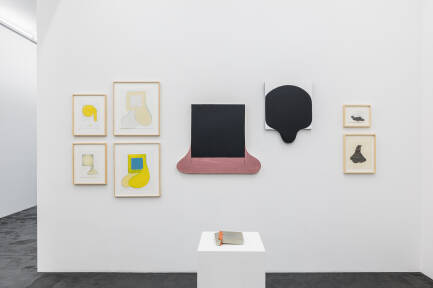
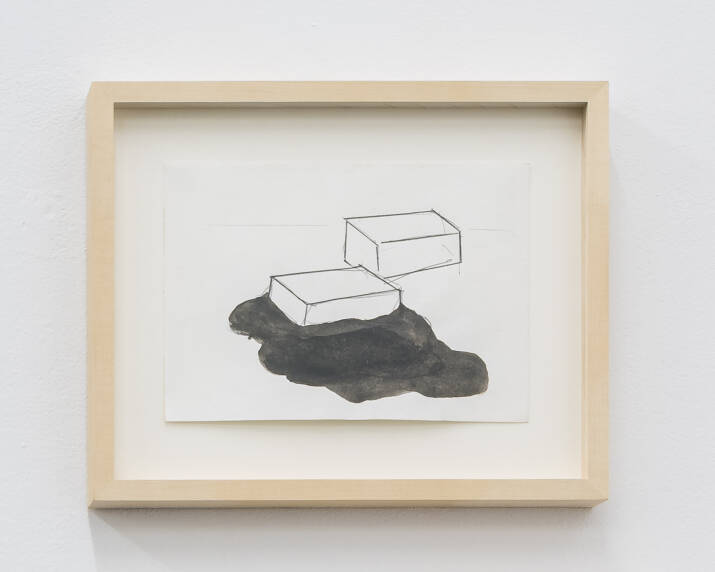
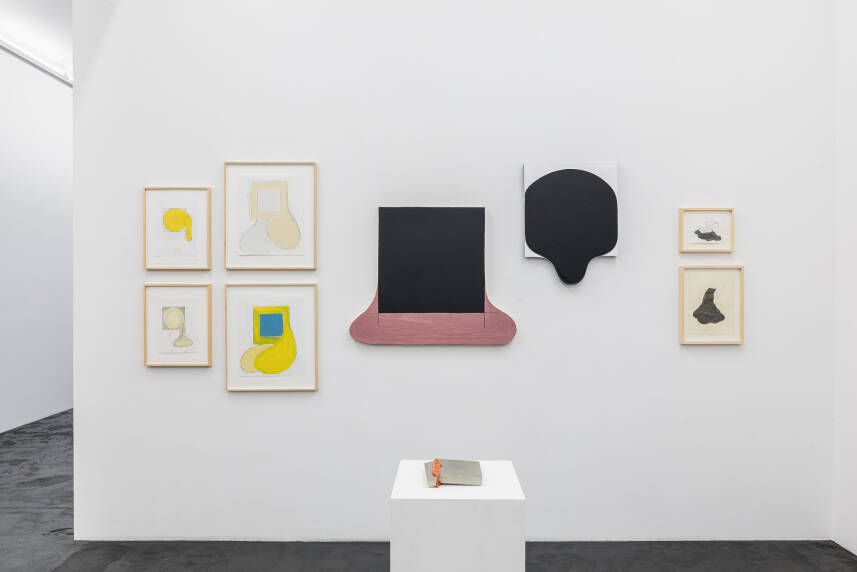
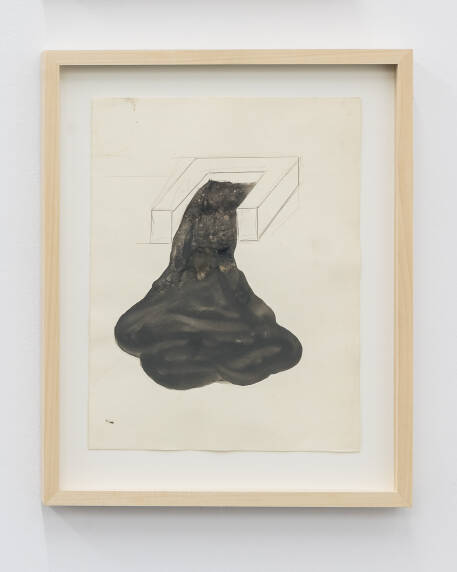
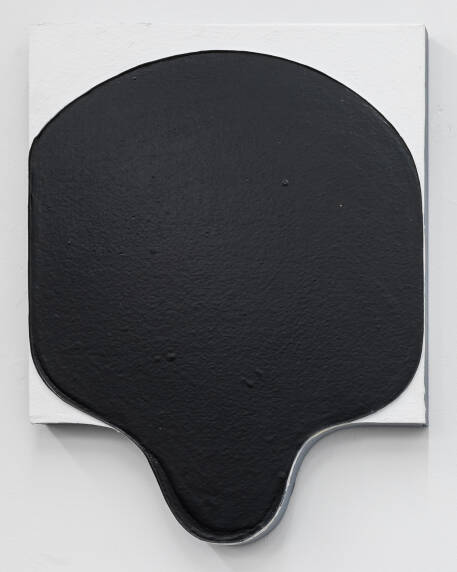
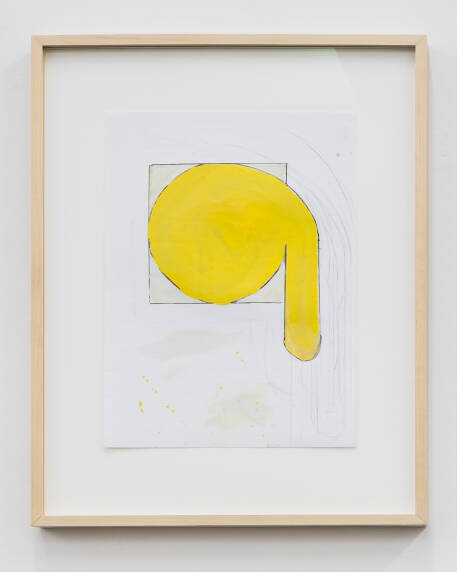
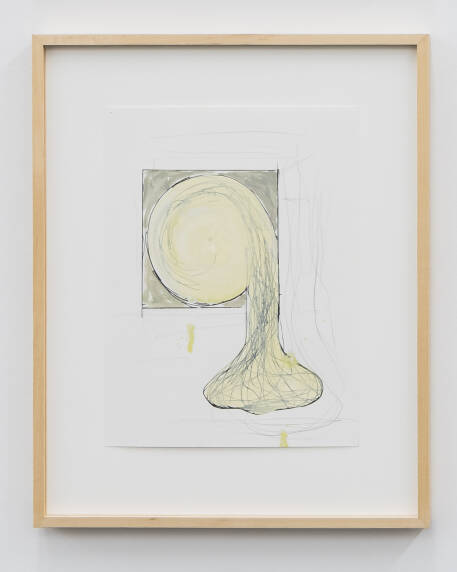
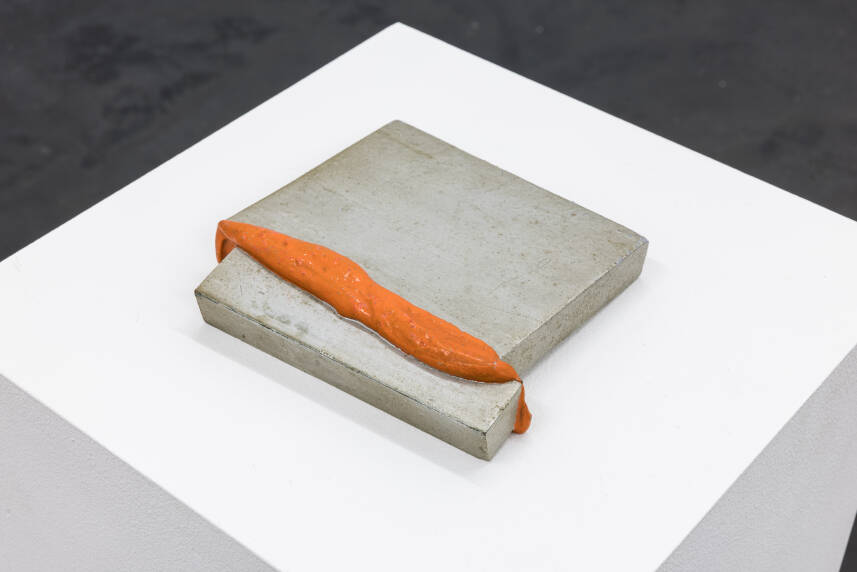
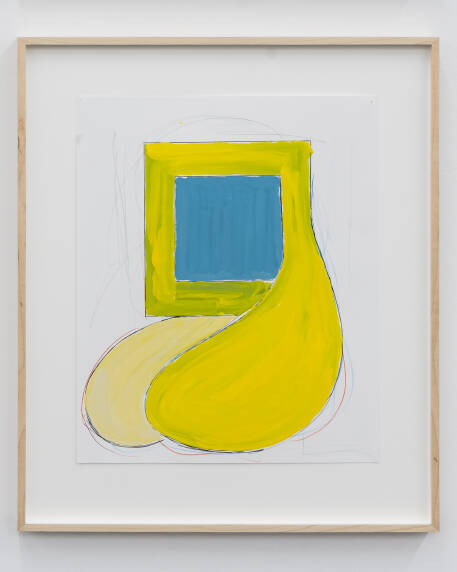
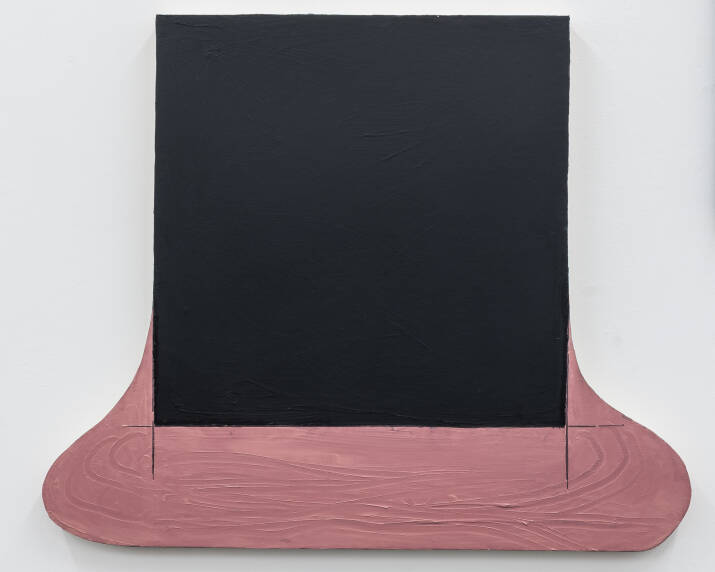
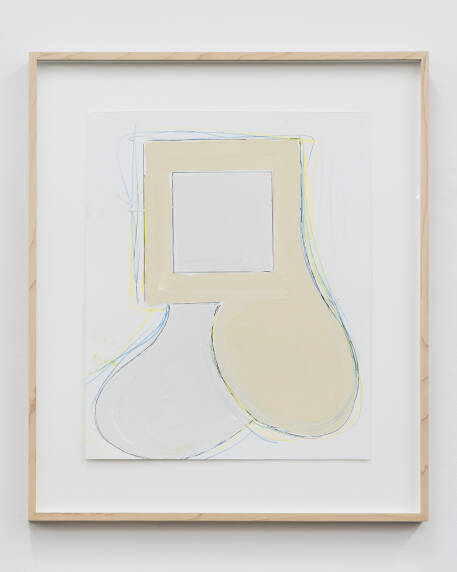
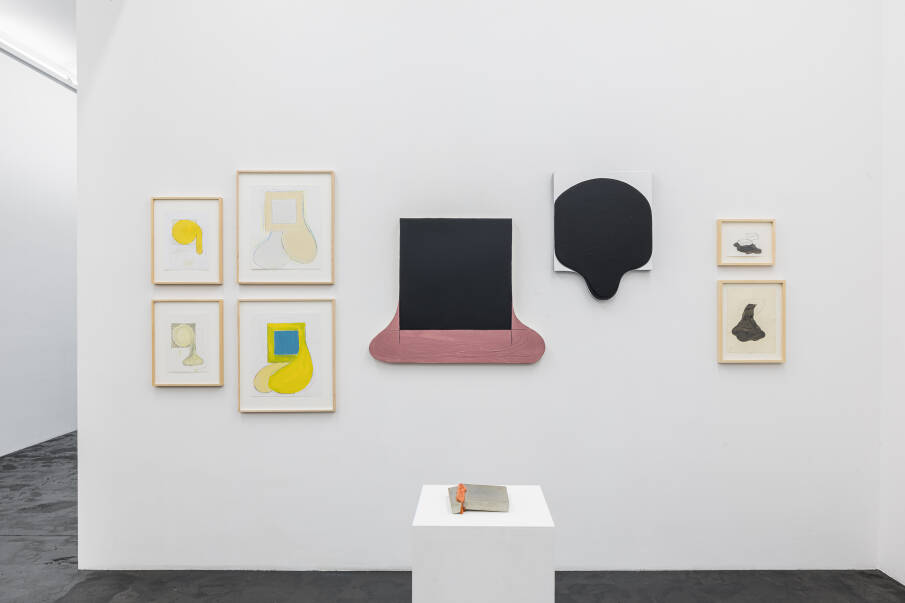
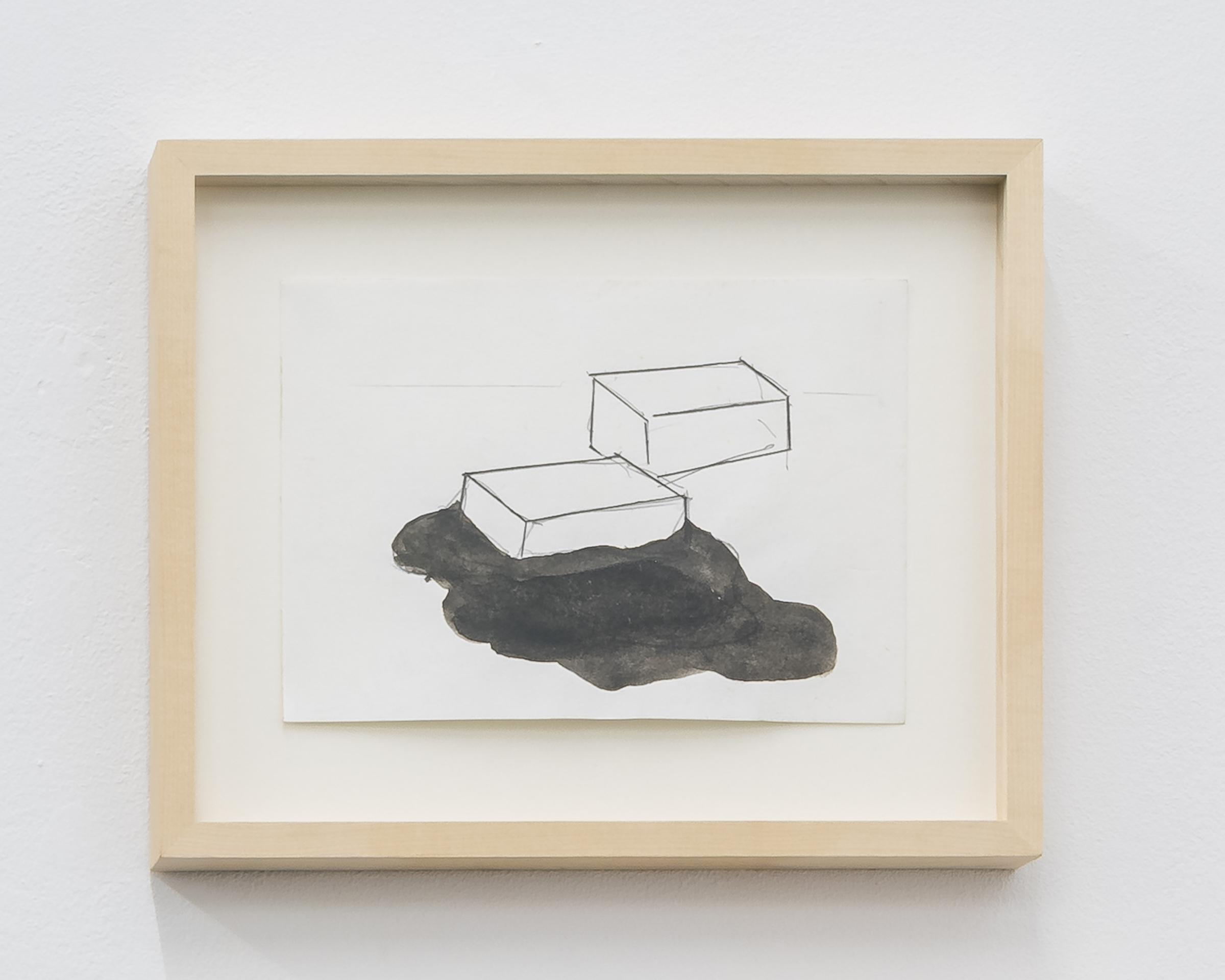
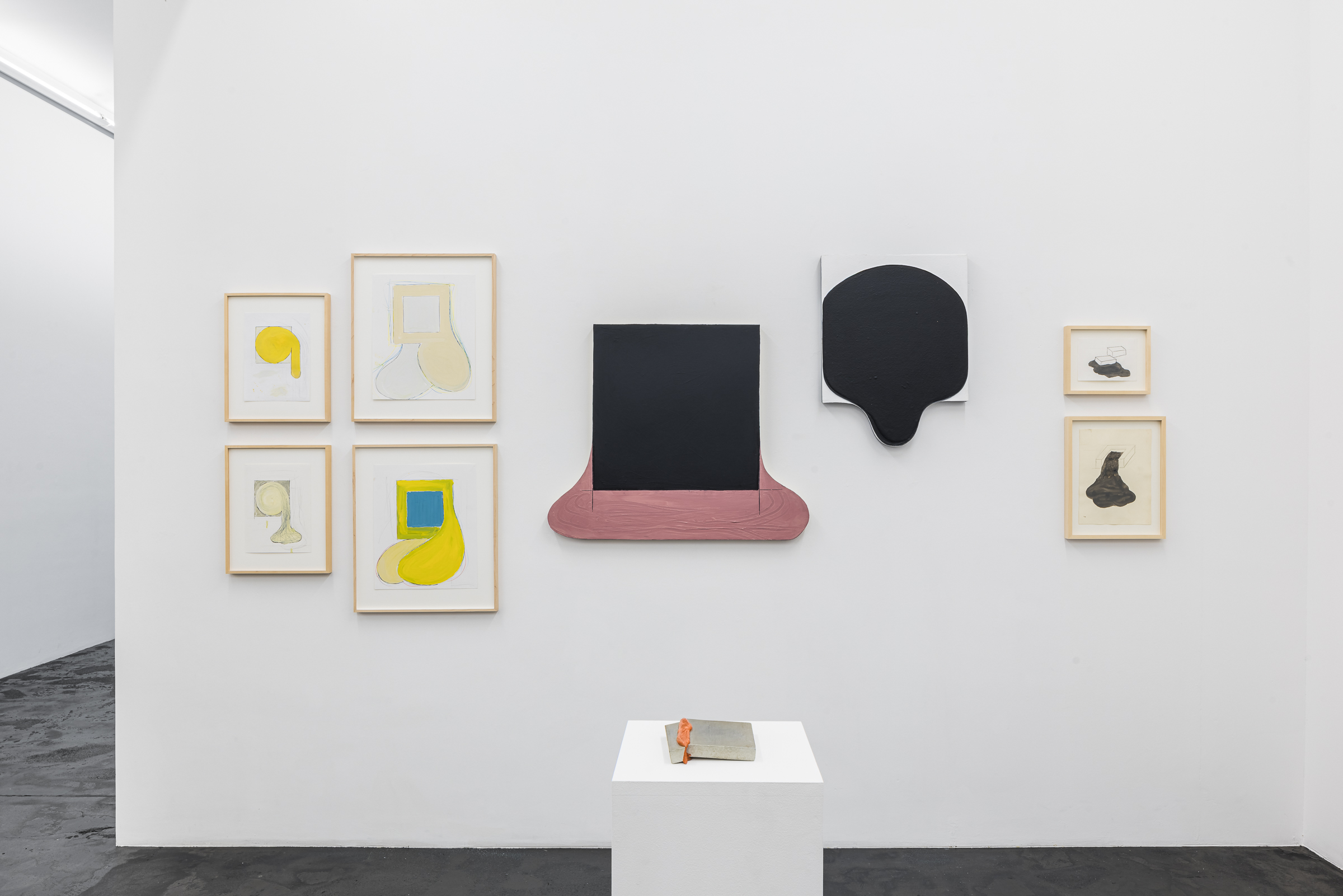
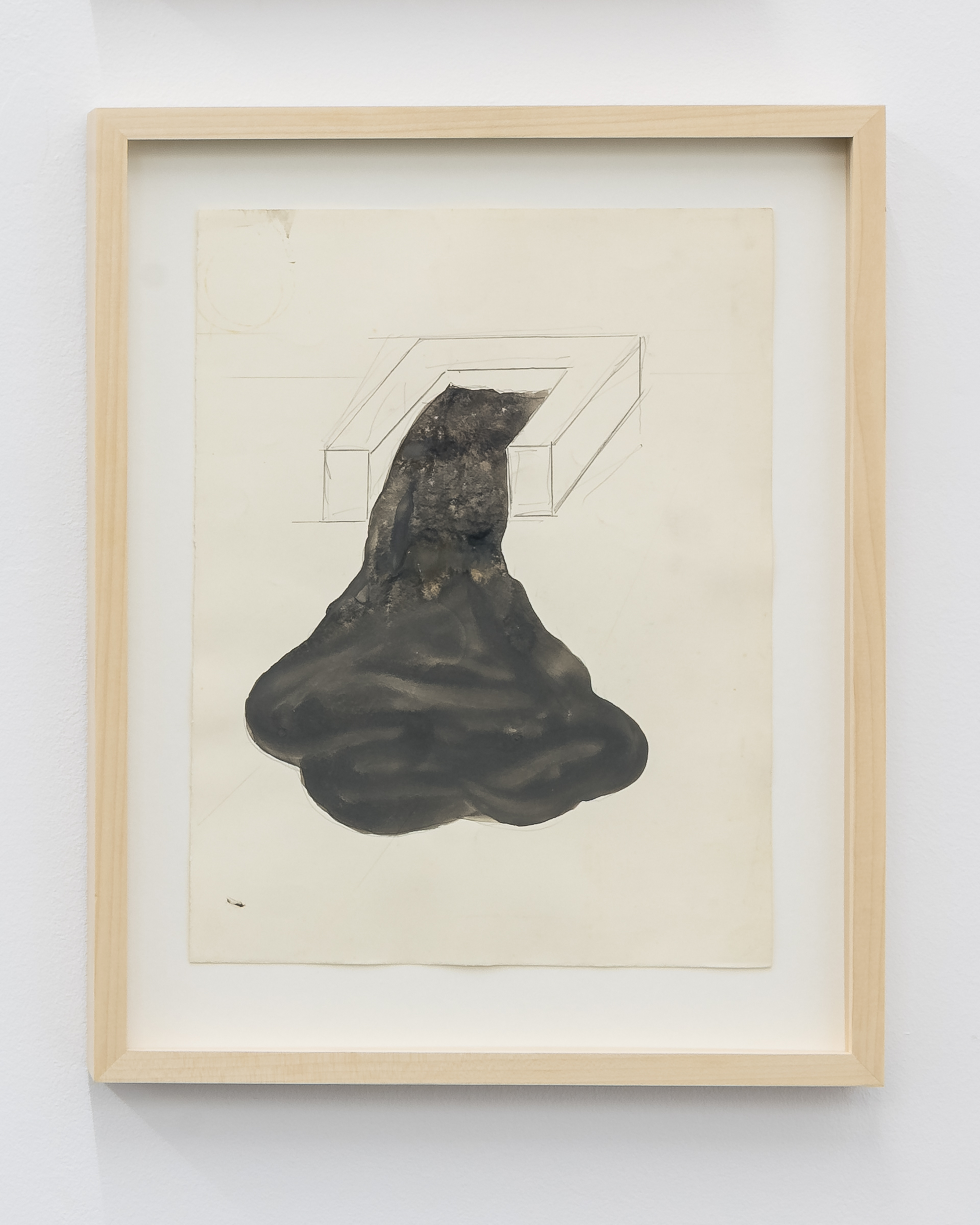
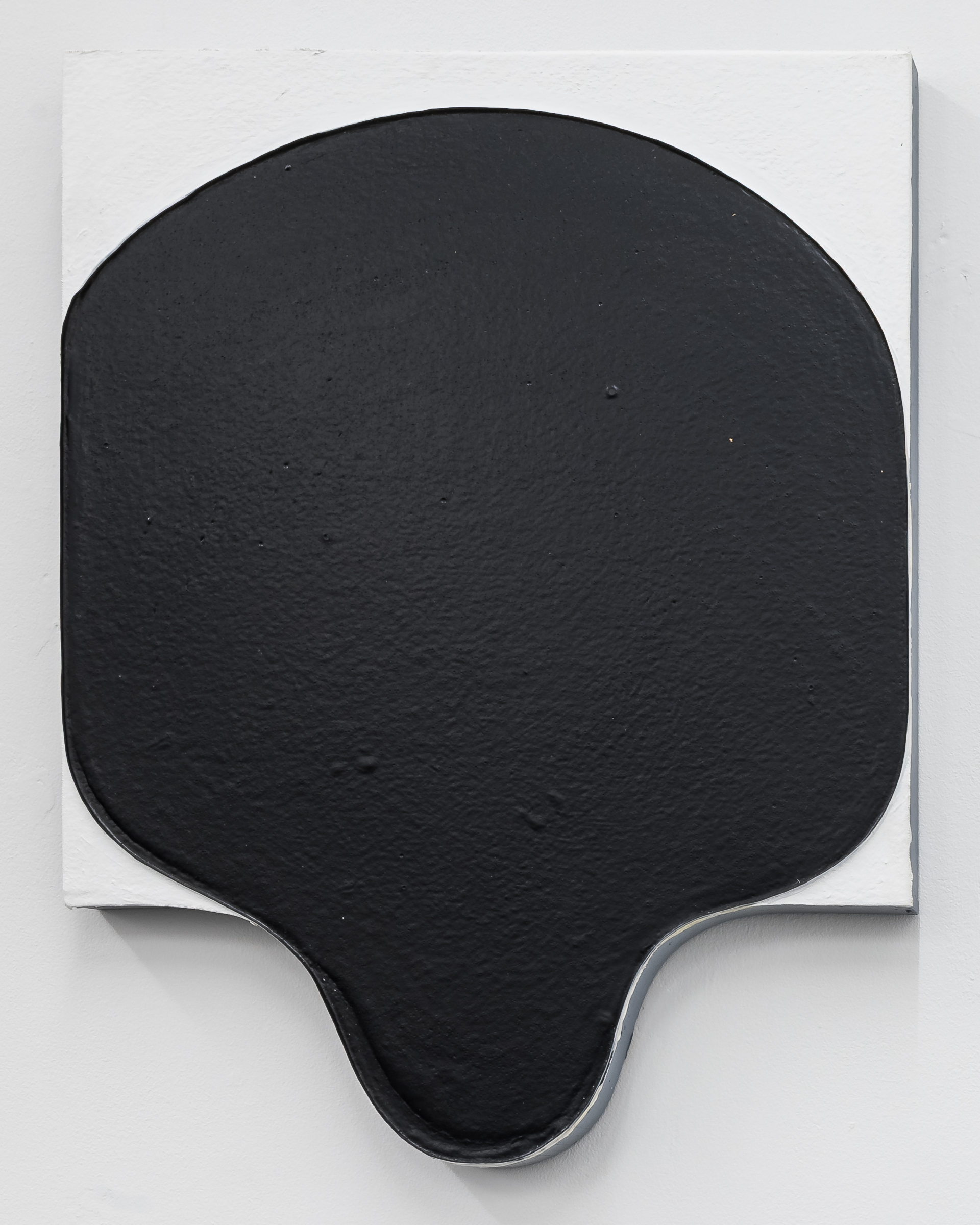
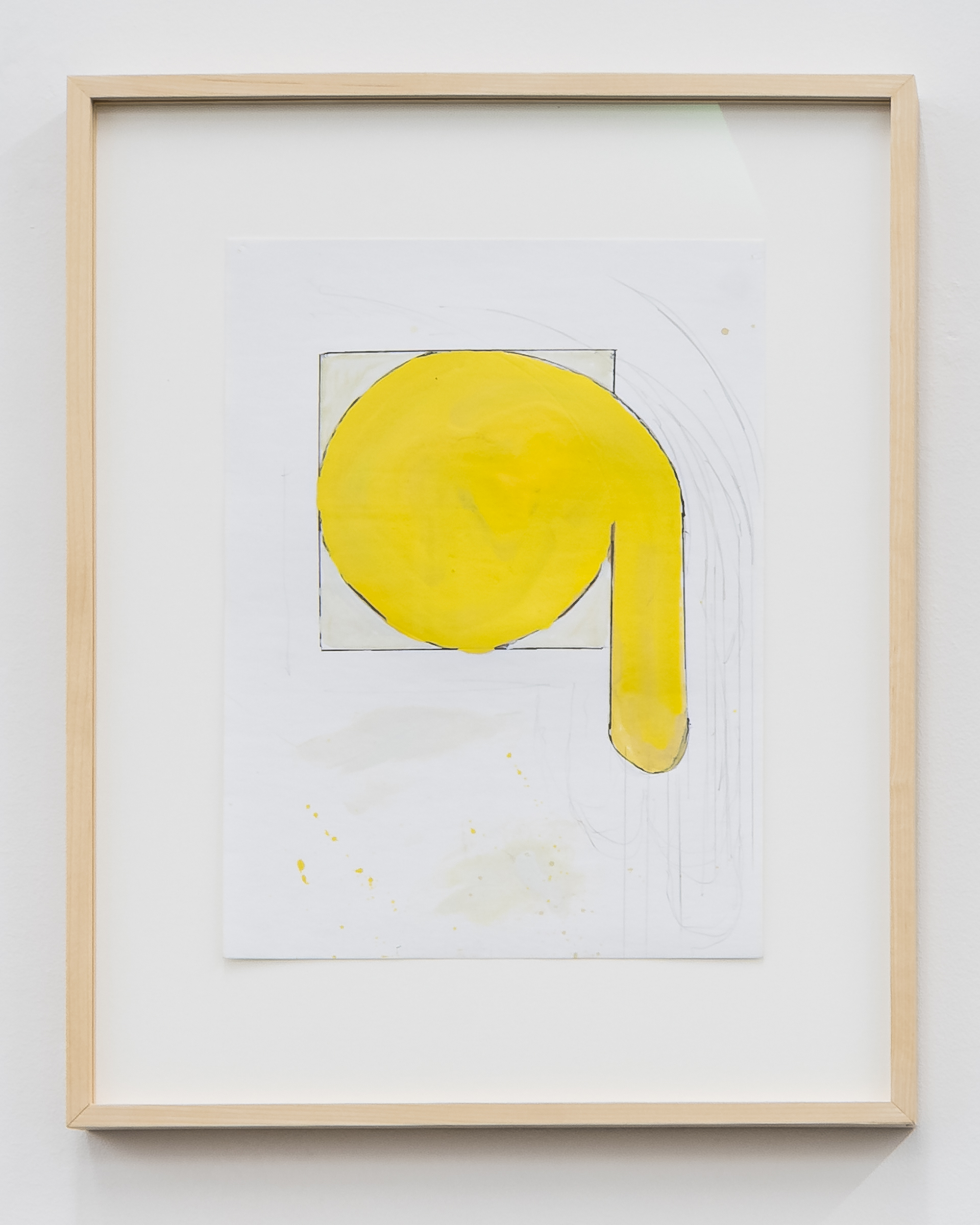
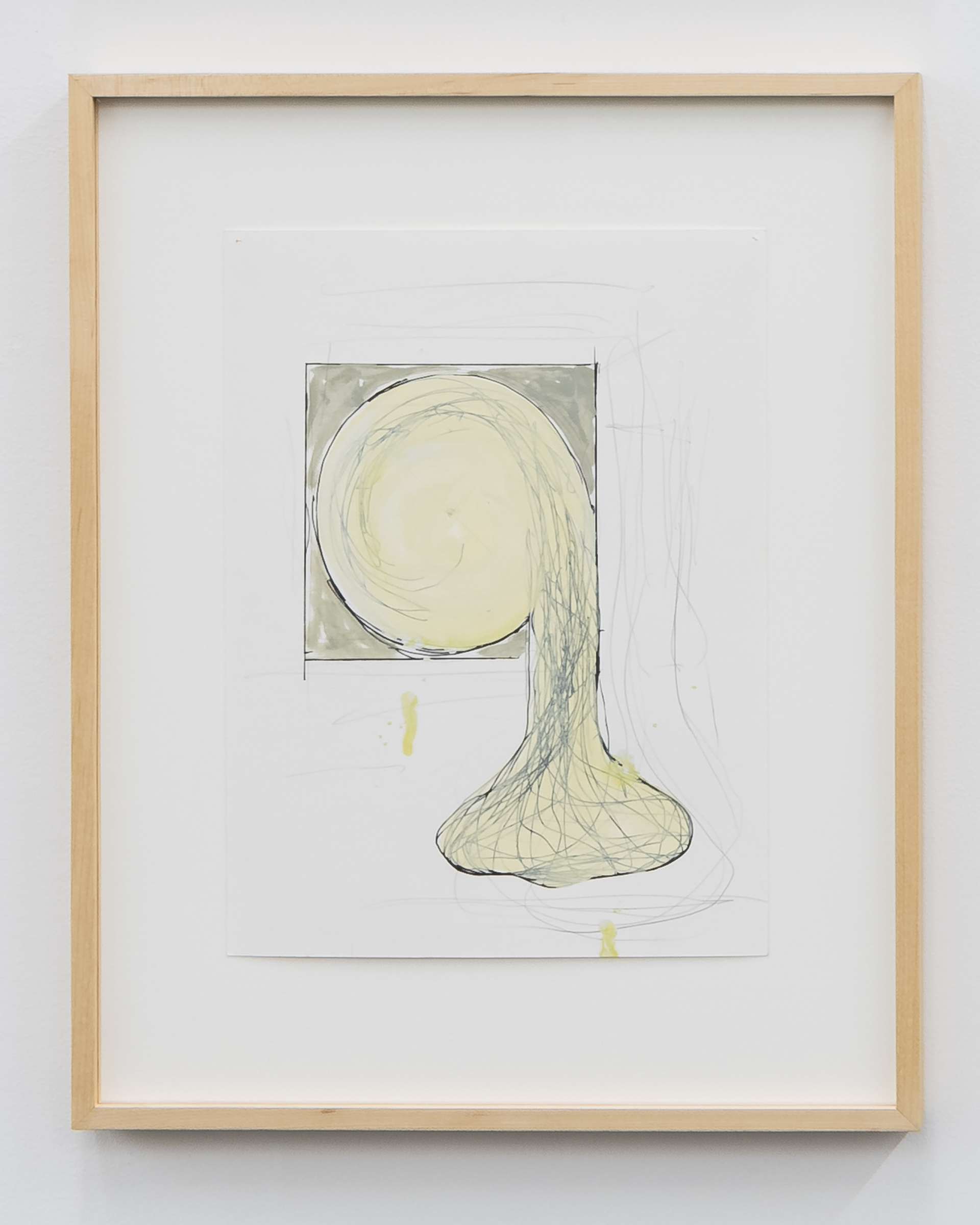
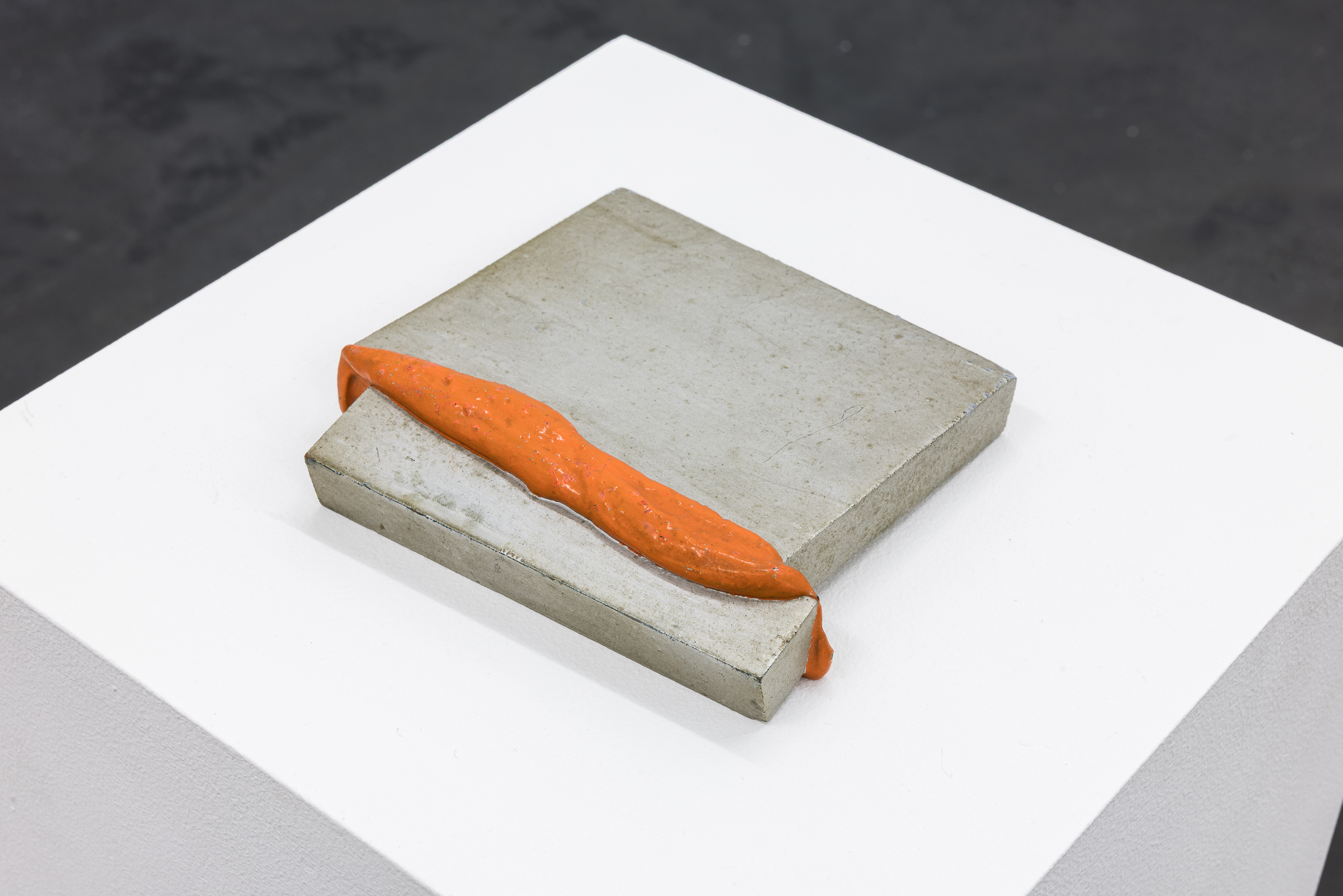
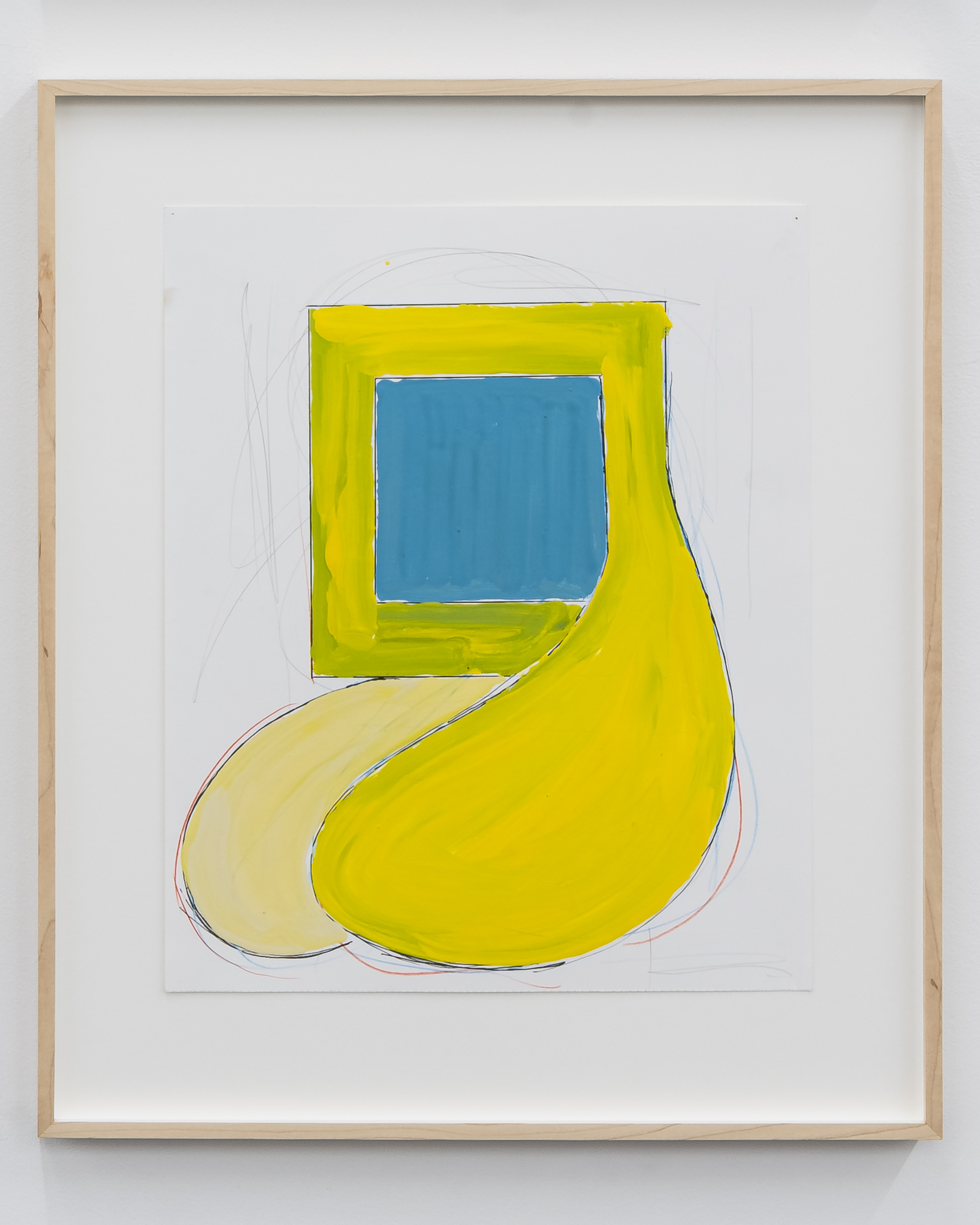
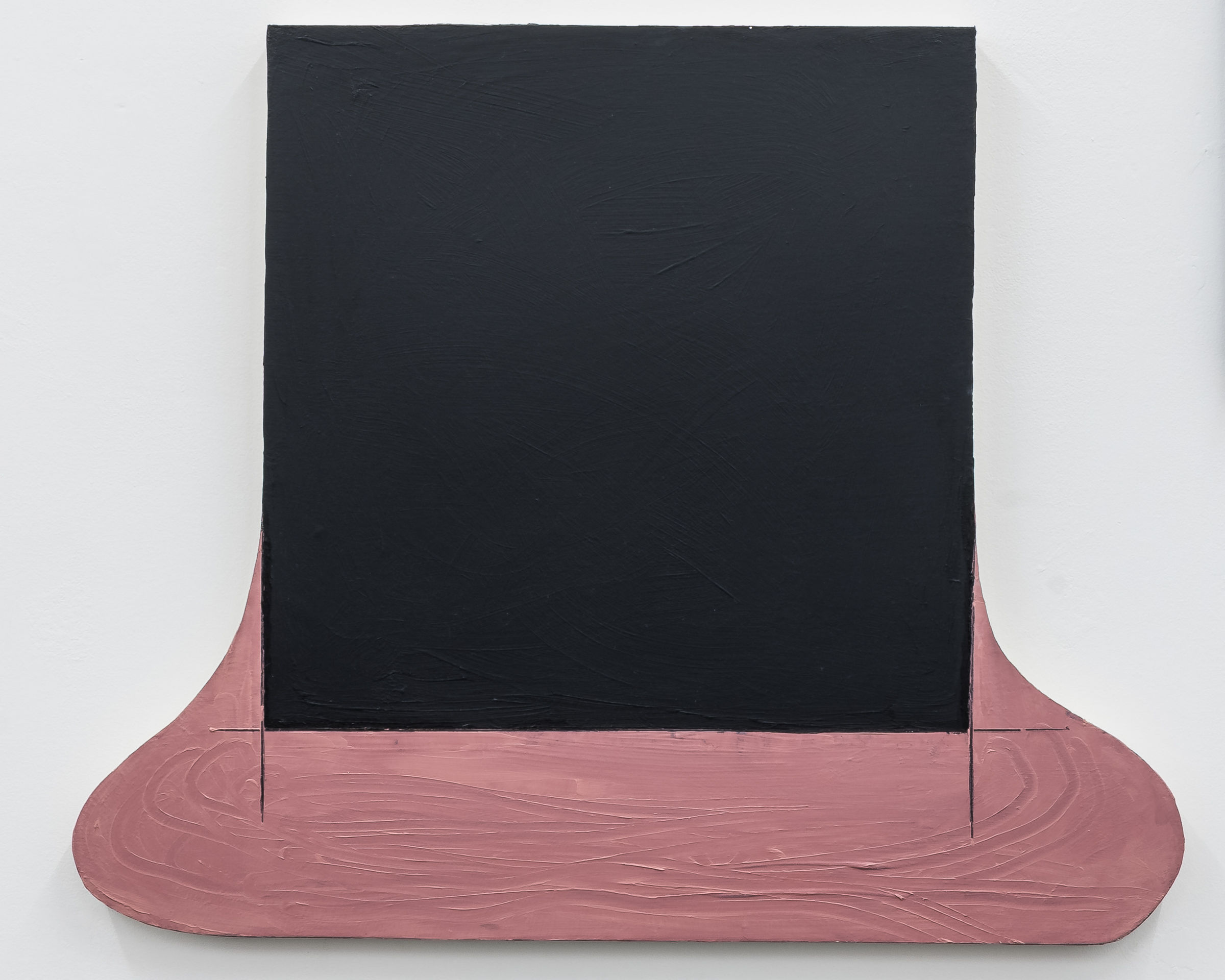
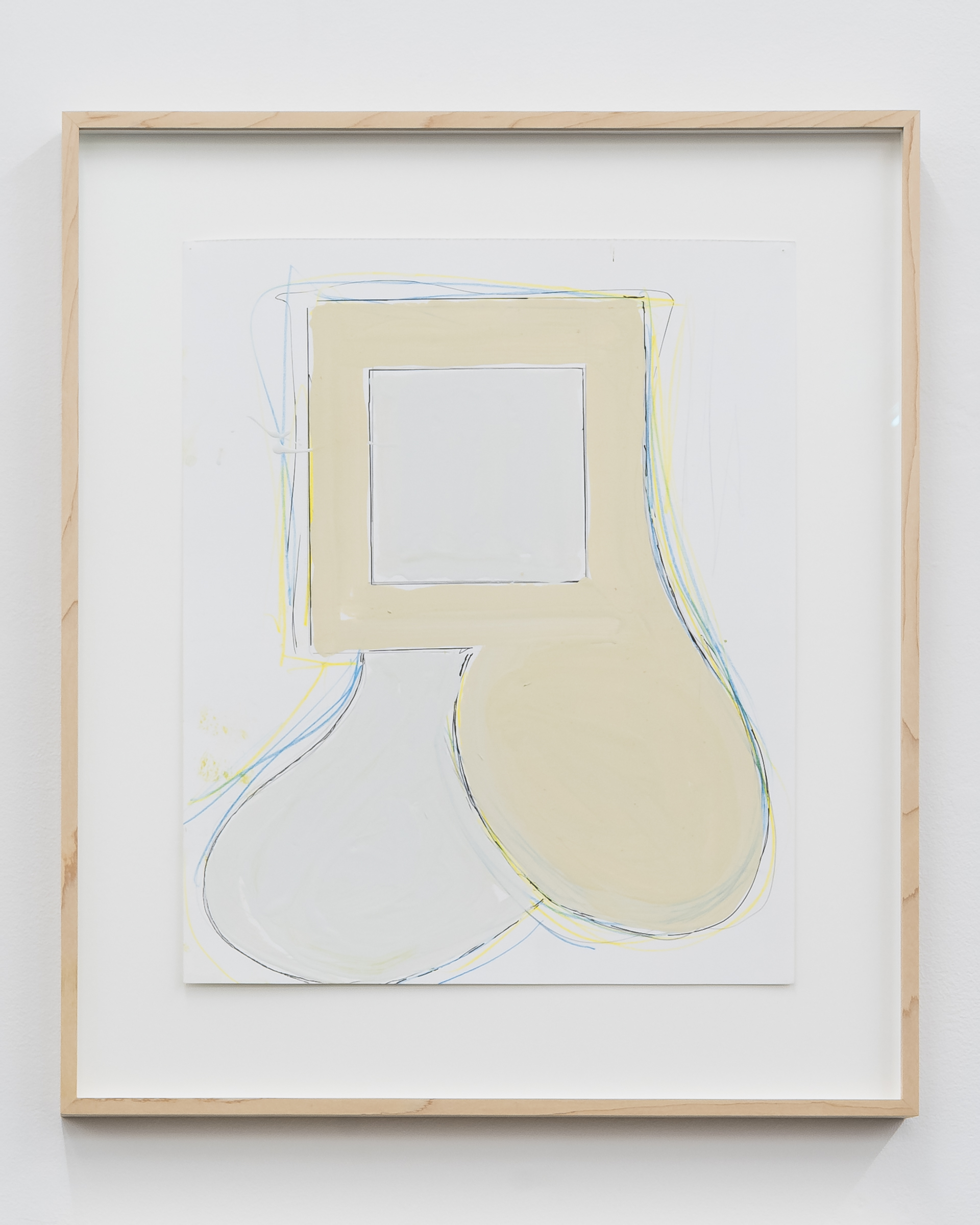
Gary Kuehn (*1939, New Jersey) is among the most significant representatives of «Post Minimal» and «Process Art» and has contributed to the redefinition of sculpture in the 1960s through his sculptural oeuvre. Early on, he also sought forms of expression in drawing and painting for his central concern: the tension between limitation and freedom in gesture and matter. In the series «Black Paintings», initiated in 1969 and continued to this day, Kuehn presents a sculptural interpretation of painting. The artist conceives of the canvas as a «container to be filled through process»: acrylic paint is poured into irregular, circular stencils, whereby the stencil form is pressed into and deformed by the rectangular shape of the canvas. The artist further develops this principle and, in two «Black Paintings» from 2018 included in the presentation, allows the paint to emerge from the rectangular canvas and seemingly drip onto the floor. In additional drawings from 1967 to 2019, colour pushes beyond confining forms such as the circle, square or triangle. The desire to overcome the relationship between control and the pursuit of freedom is likewise inherent in the two rare early sculptures «Melt Piece» (1964) and «Untitled» (1968). Here, the «logic of construction» (Kuehn) of the former roofer and steelworker is subverted as geometric forms «break open» and their interiors flow outward.
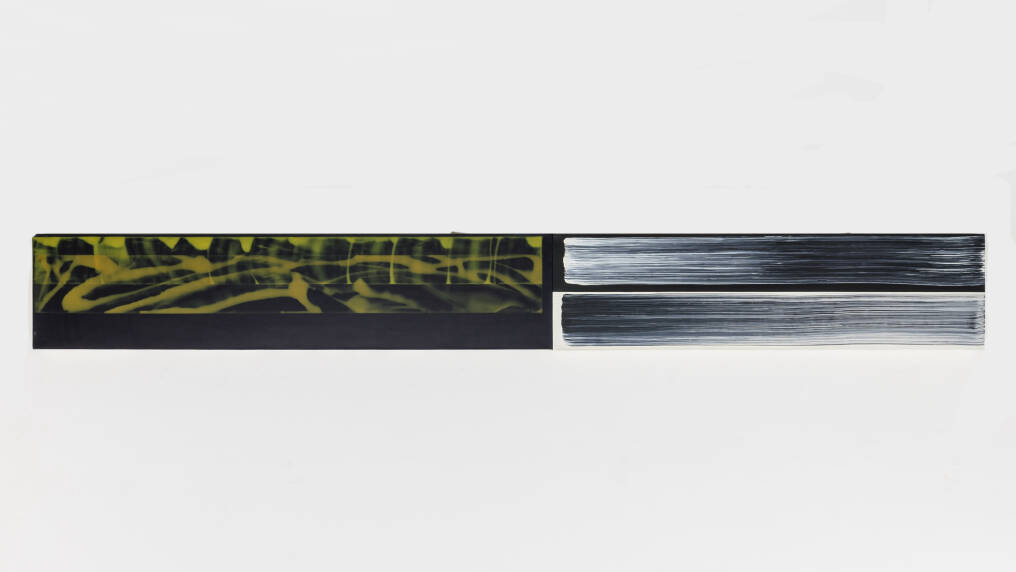
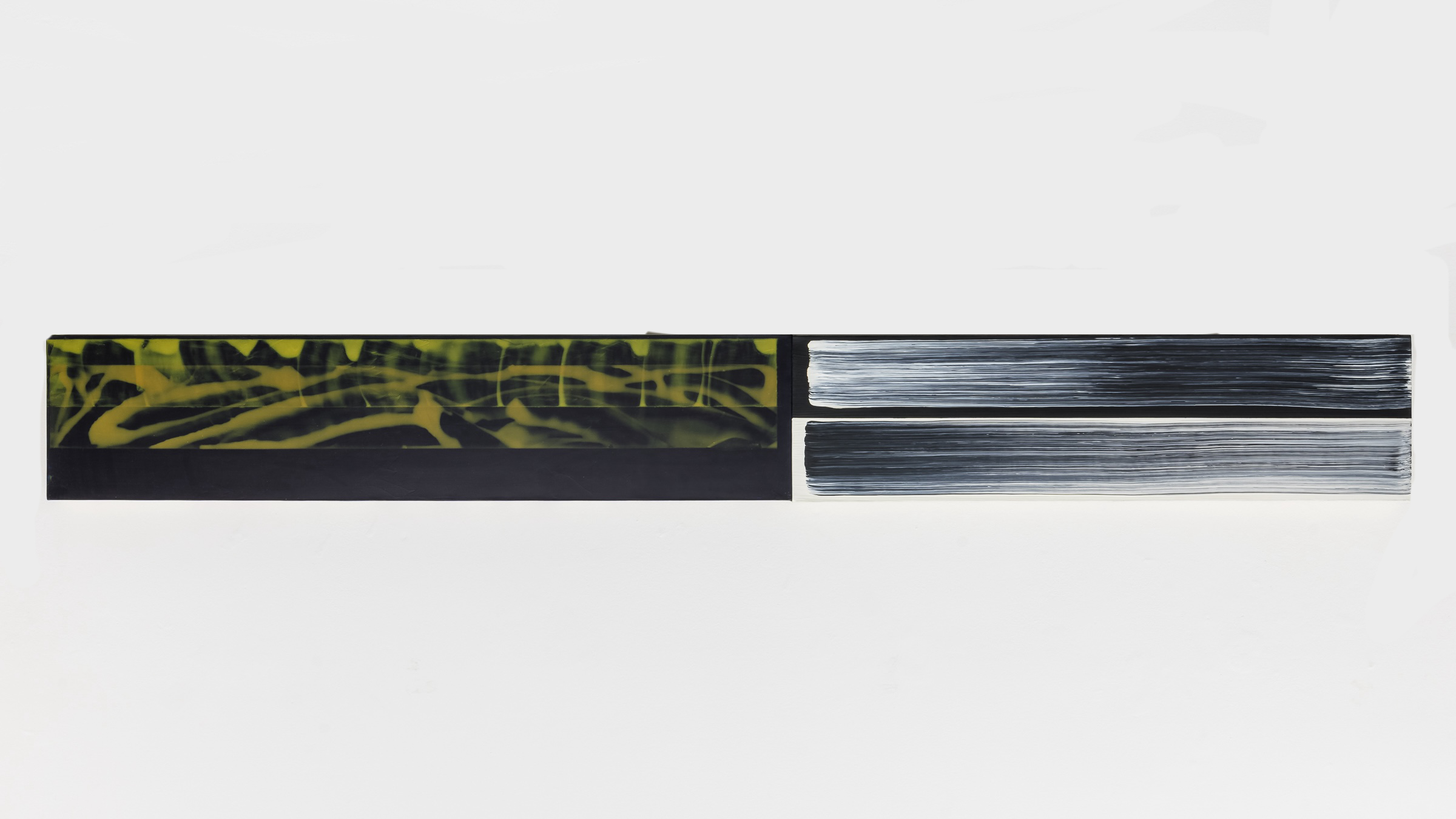
While Gary Kuehn disrupts the strict geometric principles of Minimalism through deformation, tension and an often deliberately fragile materiality, David Reed (*1946, San Diego) has developed a distinct position between gestural painting and media staging. His works combine expressionist painting traditions with cinematic image structures, creating a dialogue between physical surface and visual illusion. In search of a direct artistic expression, Reed created narrow canvases between 1974 and 1975 in which he applied broad horizontal brushstrokes wet-on-wet in rapid succession. Since the «Brushstroke Paintings» of the 1970s, he has repeatedly returned to this pictorial element and developed it into an important instrument of his painting. The painting «Untitled 163-2» (1981), presented in the Collector’s Room, consists of two individually joined canvases that create an «imbalance» and undermine the legibility of the «composition» (Reed). The result is an impression of motion blur, in which the horizontal «Brushstrokes» in black and white (left side of the painting) contrast with intensely coloured, loop-like painterly gestures (right side of the painting). The layers of paint are superimposed like transparent films, smoothed once dry and reworked repeatedly, creating a dense, almost cinematic depth structure. The extremely elongated format intensifies this controlled construction.
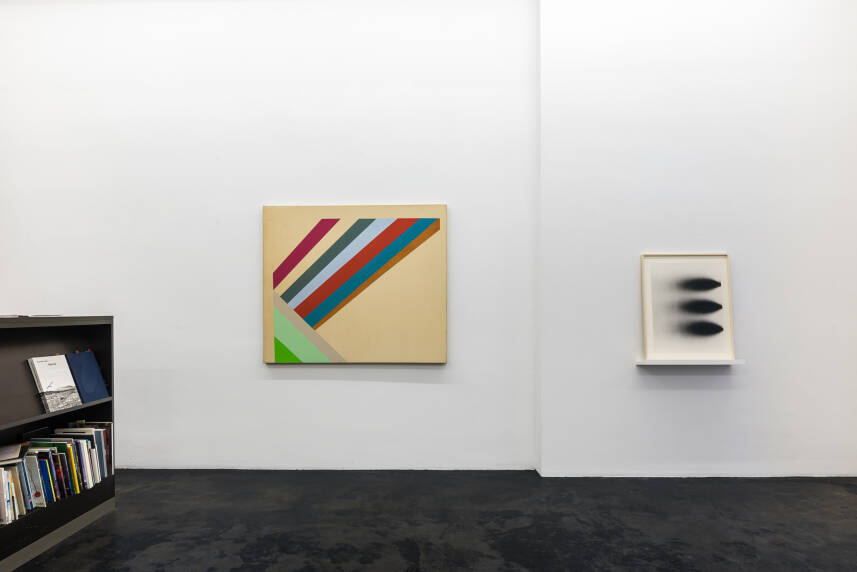
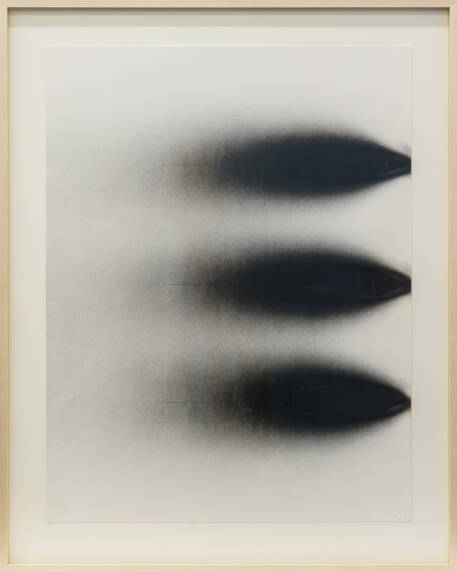
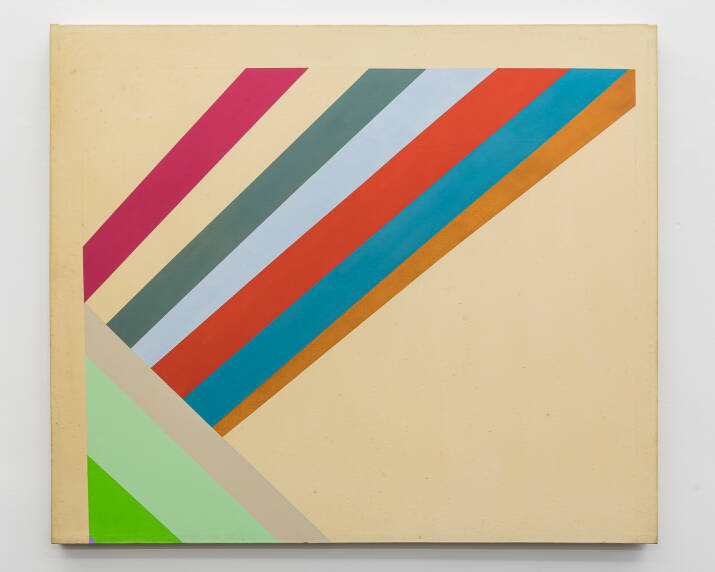
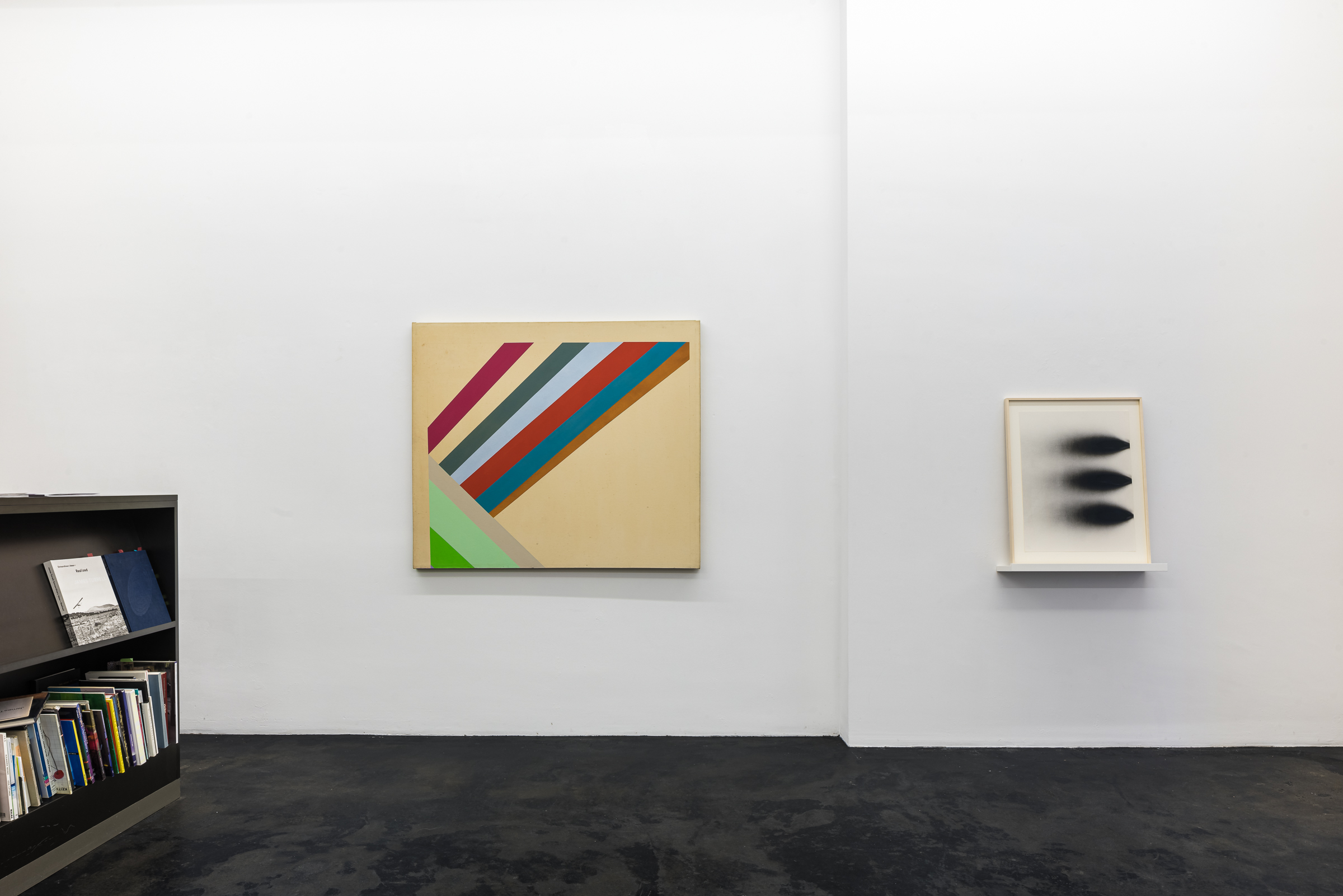
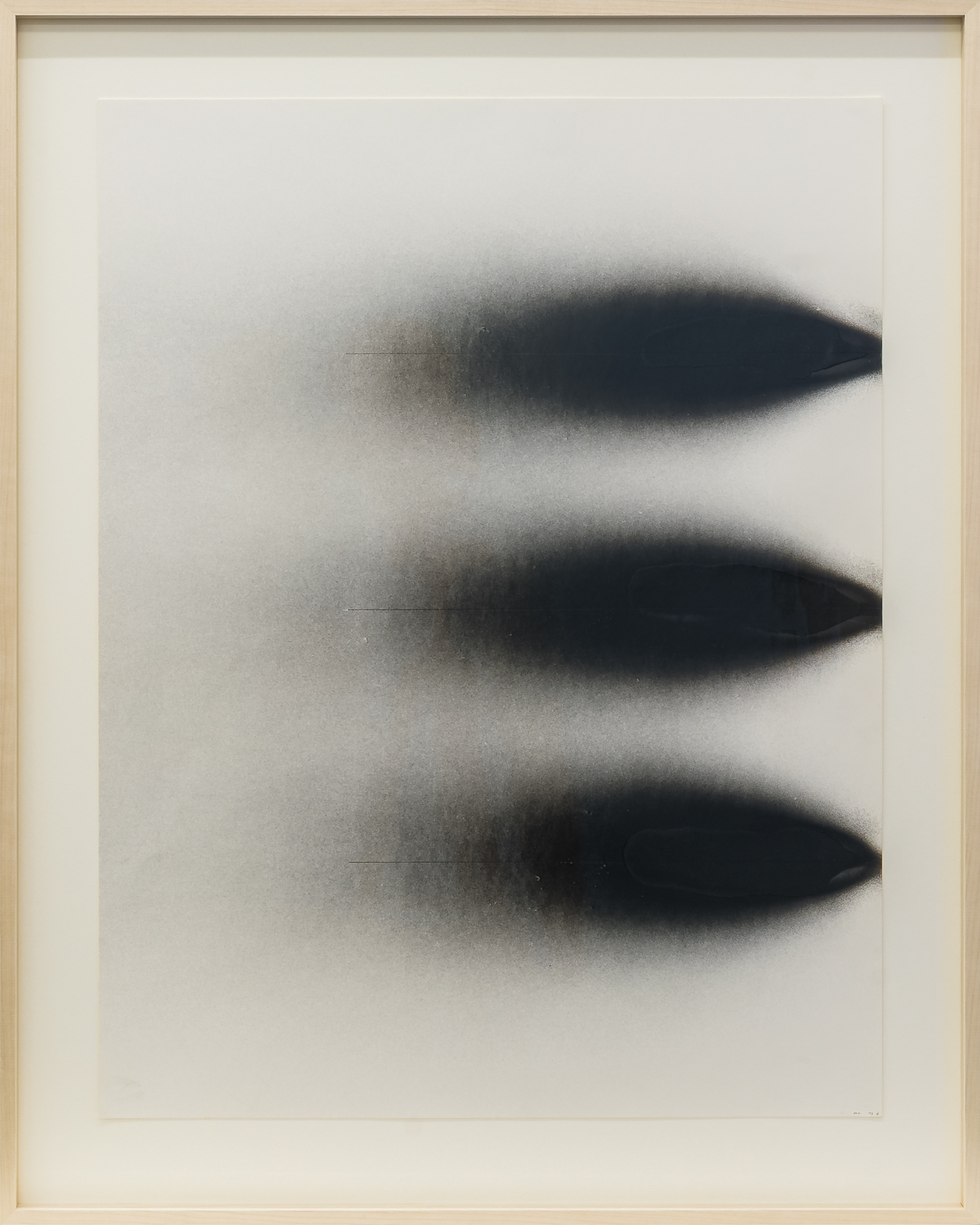
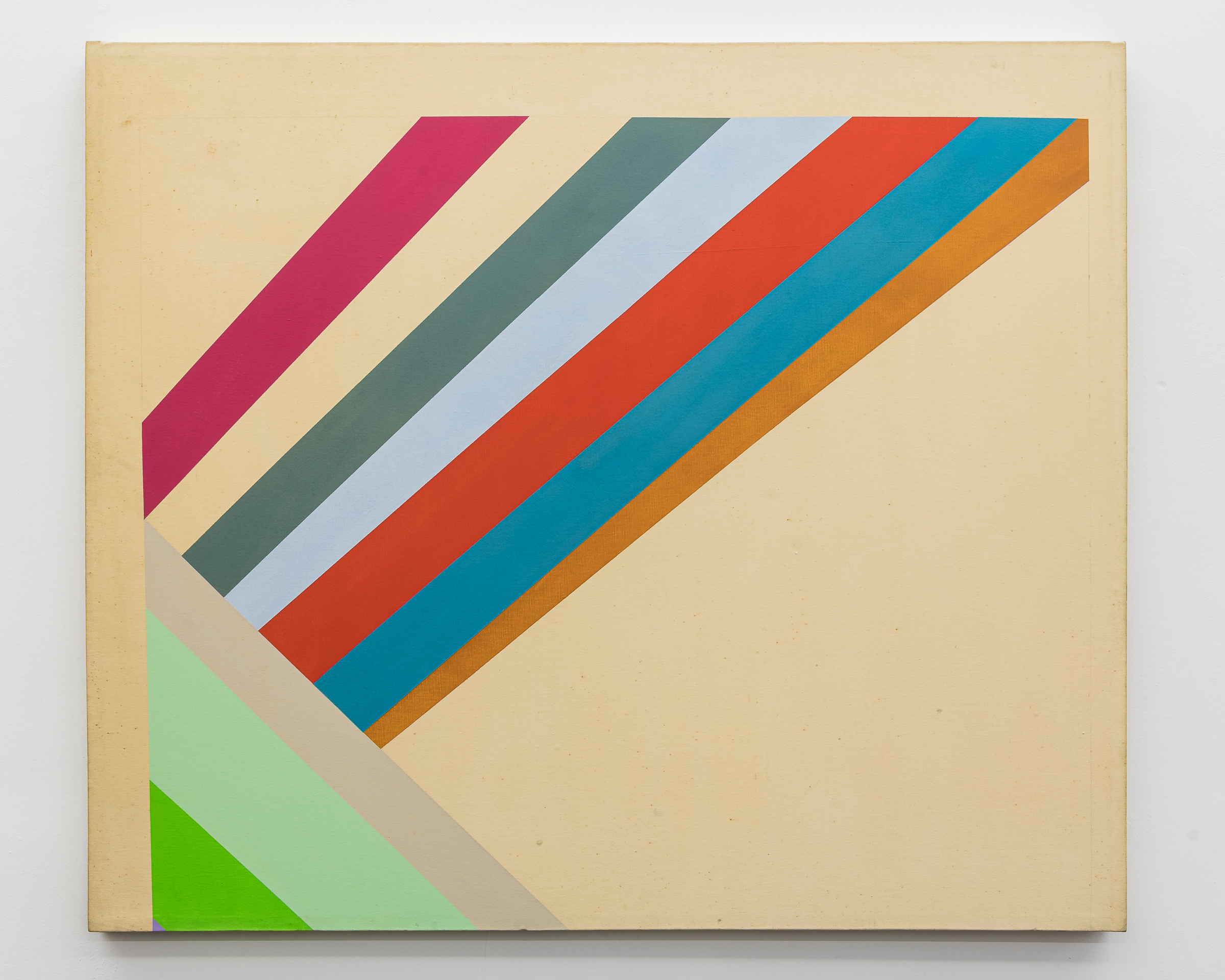
Following the gesturally complex works of David Reed, Michael Venezia (*1935, Brooklyn – 2025, Trevi) turns the focus toward a reduced painterly practice in which colour, application and materiality are examined in their immediate appearance. As an important innovator of painting in the 1960s, Venezia concentrated on the concrete conditions of paint application, surface and the distribution of material within pictorial space. Beginning in 1967, he was among the first visual artists to use a spray gun, a tool that virtually eliminates the handwriting-like quality of brushwork and instead makes air pressure visible. A mixture of metallic pigments and acrylic or oil paint clearly points to the painterly quality of light. This becomes particularly evident in the paper work «MV NY #815» from 1973 in our exhibition: depending on the incidence of light, the sprayed bursts of colour, applied at precisely measured intervals, change optically. The large-scale painting «Untitled CV5» (1966) features characteristic bands of colour arranged in such a way that large areas of the canvas remain untouched, emphasising the autonomy of both the painting and its support.